
The Ascent Approach
The Ascent Approach
Why buildings we run perform, told as a mechanism rather than a claim.
The gap
Someone always sees the problem. Rarely is it the person who can fix it.
Most communities that underperform are not failing. They are functioning, and producing meaningfully less than the real estate and the submarket would support. Nobody with the authority to act is close enough to notice, and by the time it shows up in a quarterly review it has been true for a year.
The gap between what a building produces and what it should produce is almost always operational. It is also almost always correctable, and it compounds while it goes uncorrected.
Ascent exists in that gap. We are close enough to see a problem while it is small, and structured so that seeing it means someone acts on it that week.
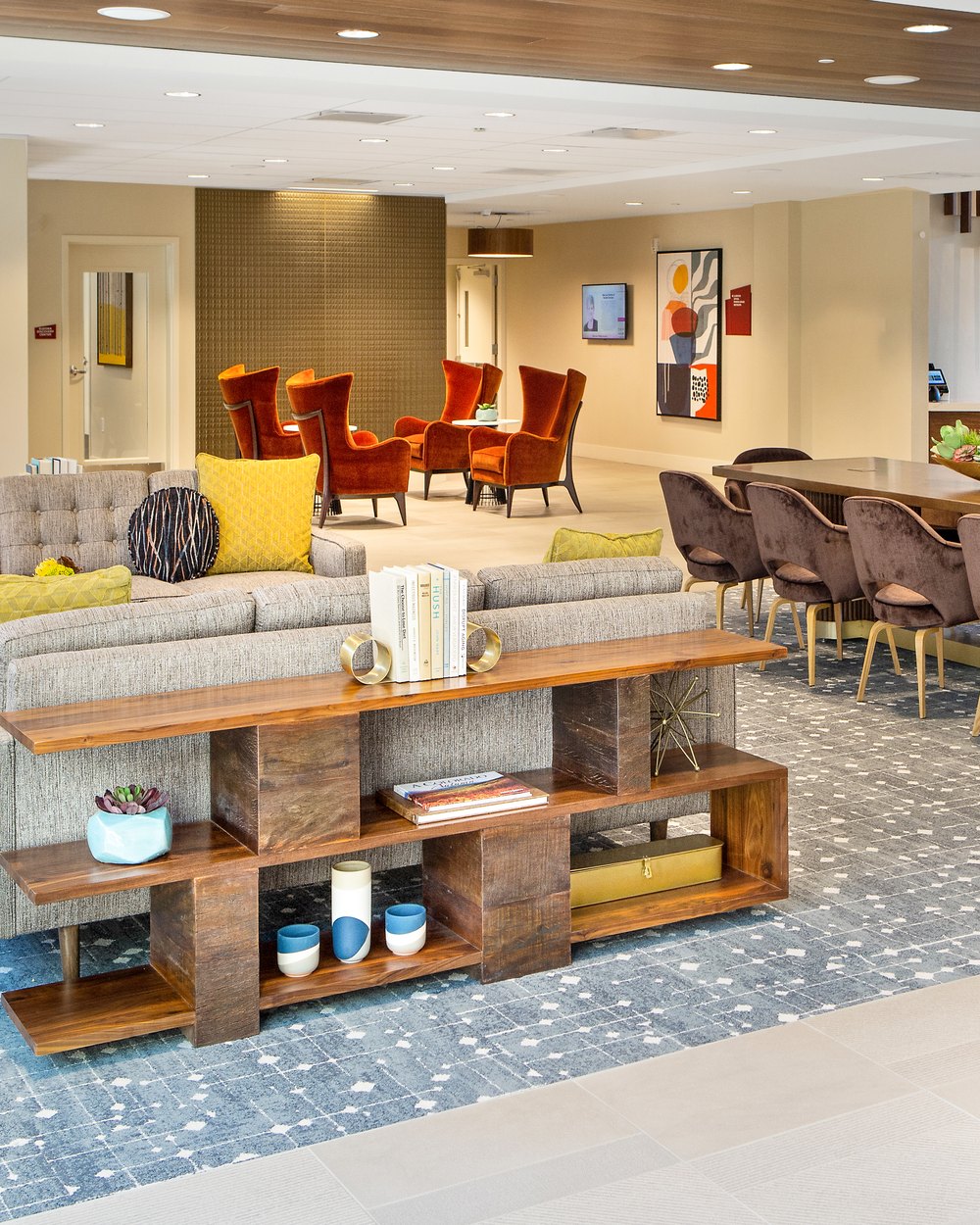
Carillon at Belleview Station
- Occupancy
- 96.9%
- Prospects added this week
- 17
- Tours completed this week
- 11
- Community avg AL care pointsAscent portfolio avg: 69
- 64.6
- Care evaluations completed this week
- 8
- Physical move-outs this weekMC, death · AL, to home and family
- 2
- Residents hospitalized this weekBoth returned to community
- 2
- Prior week’s overtime144 hours
- 4.68%
Staffing acuity hours, AL and MC
Same view, same hour, executive director and home office.
Origin
It started with a Friday afternoon spreadsheet.
For ten years, as an executive director inside a national operator, Susie Finley, Ascent’s Founder and President, built a weekly flash report by hand. Every Friday afternoon, all afternoon, pulling week old numbers out of systems that did not talk to each other, sending it up the chain, and hearing nothing back. Those were hours she should have been spending with residents and families. The idea that became this company was simple. The home office should build that report and send it down on Monday morning, not the other way around.
That inversion turned into a data platform that populates every morning from the systems our communities already run on. Executive directors and the home office see the same picture, from the last twenty four hours, at the same time. It is worth saying that this was never a technology initiative. It began as an operator’s problem, which is why it measures the things that actually move a building rather than the things that are easy to chart.
Staffing to acuity
Roughly a third of a building’s cost, managed weekly instead of monthly.
Payroll is close to 70 percent of what it costs to operate a senior living community. Roughly half of that payroll is clinical. So the way a building staffs to the care its residents actually need governs something in the range of 35 percent of its total operating cost.
Most operators set that staffing on a schedule template and revisit it periodically. We restaff every building every week, against the care our residents currently need. That is not a cost exercise. Matching staffing to the acuity actually present in a building is how you avoid understaffing it, and it is the only way to be genuinely careful with an owner’s dollars without taking something away from a resident.
It is possible because of how we structure care fees. We use a transparent points based system rather than tiers or levels. Families can see plainly what they are paying for and why it changes. Our teams can administer it without interpretation. And because the points reflect real care needs, they tell us precisely how to staff each building each week, without understaffing it and without paying for coverage the residents do not need.
The rest of what the platform watches is unglamorous on its own: labor hours against budget for every department, with agency staffing and overtime flagged weekly. A clinical snapshot every morning that surfaces falls, missed medications, and out of range vitals from the previous day, each with a follow up attached. Sales activity measured against the move ins each building actually needs. Apartment inventory, so the least desirable units are not what is left at the end of a lease up. Care delivered reconciled against care billed. None of it is individually remarkable. Run daily rather than monthly, together it is the difference between an operator who discovers a problem and one who prevents it.
Occupancy
96.9%
Carillon, through yesterdayProspects added
17
this weekTours completed
11
this weekAvg AL care points
64.6
Ascent portfolio avg: 69Staffing acuity hours AL and MC, current vs next week
Recalculated from resident acuity every week.
Staffed to acuity QMAP and RA hours per day
| Living environment | This week | Next week | Change |
|---|---|---|---|
| Assisted Living | 192.2 | 193.9 | +1.7 |
| Memory Care | 70.0 | 68.0 | −2.0 |
| Total | 262.2 | 261.9 | −0.3 |
Care hours per day, recalculated from resident acuity every week.
Demand Carillon, trailing four weeks
| Week | New inquiries | Tours |
|---|---|---|
| Four weeks ago | 16 | 11 |
| Three weeks ago | 22 | 12 |
| Two weeks ago | 16 | 8 |
| Last week | 17 | 11 |
The same weekly flow is tracked for every community.
The week’s record Carillon, through yesterday
| This week | Count |
|---|---|
| Care evaluations completed | 8 |
| Physical move-outsMC, death · AL, to home and family | 2 |
| Residents hospitalizedBoth returned to community | 2 |
| Prior week’s overtime144 hours | 4.68% |
People and culture
Every one of our teams works with tools most operators do not have.
Every operator in this industry recruits from the same labor market, and a business that depends on finding exceptional individuals is one resignation away from a problem. We built for the opposite. Our teams work inside a system that shows them what is happening in their building today, which means capability accumulates in the company rather than walking out the door with whoever leaves.
Recruiting, training, orientation, and onboarding all run from our home office rather than sitting on the shoulders of each executive director. That is deliberate, and it is also the honest answer to whether our culture can travel. The mechanism that transmits it is already centralized and already built to work at a distance.
Our internal net promoter score is 59. Above 50 puts an organization in the company of the most admired service brands anywhere, and it is the number we are proudest of.
What we look for
We are specific about what we buy, because that saves everyone time.
- The situation
- A community producing below what its market should support, where the cause is operational rather than structural. Often it is one living environment carrying the shortfall while the others perform. We have twice taken on buildings where Independent Living and Assisted Living were healthy and Memory Care was well behind them, and it runs the other way just as readily.
- Size and mix
- Full continuum communities of roughly 100 to 200 units are our best fit. Standalone Assisted Living and Memory Care from roughly 80 units. Standalone Memory Care around 50 units, in neighborhoods rather than as one large secured floor.
- Geography
- Colorado today, with active interest across the Mountain West, the Southwest, and into Texas and the central states. The map on our brokers page shows where our interest is primary and where it is secondary. If you are unsure whether a market is on our list, ask us. We would rather see it and pass than not see it.
- Condition
- Older buildings work well where capital improvement is budgeted into the deal. A damaged reputation is recoverable, and we have restored community standing before. What is not workable is a situation where the resources to actually fix the building are not part of the plan.
Transition
The first ninety days decide the next three years.
Before anything is signed, we walk the building. Grounds, entry, corridors, what is on the walls, whether the common areas have been maintained. We look closely at what the community is actually delivering day to day, life enrichment programming and culinary execution among it. You can pick up a menu and read the culinary program off it in about a minute. You can feel the culture of a community inside the first few minutes, and no dataset produces that read. It is a formal step in our process, not an impression we form on the way out.
When we take over, we hold town halls and open question sessions in the first days. We do not arrive announcing terminations. People are given the chance to work inside a model with far more support than they are used to, and considerably more expectation. Some of them discover they like it. Turnover happens as an outcome rather than as a policy. At Carillon, much of the original opening team was still there after the transition.
The home office absorbs recruiting, training, onboarding, and administrative load immediately, which hands the executive director back the hours the building actually needs. Both of us show up at orientation personally.
Then the community is connected to the platform, and the work of the first year becomes visible rather than assumed.
The portfolio
Six communities, 740 units.
We operate in primary, secondary, and tertiary markets, and we underwrite each of them on its own terms rather than on population alone.
Our portfolio spans the Front Range and the Western Slope. Four of our communities sit in metropolitan Denver. Others sit in far smaller markets, including Glenwood Springs, several hours and a mountain pass from our home office. That matters more than it sounds like it should. Operating well at distance is the exact capability an owner is buying when the asset is not in our backyard, and we have been proving it inside Colorado for years.
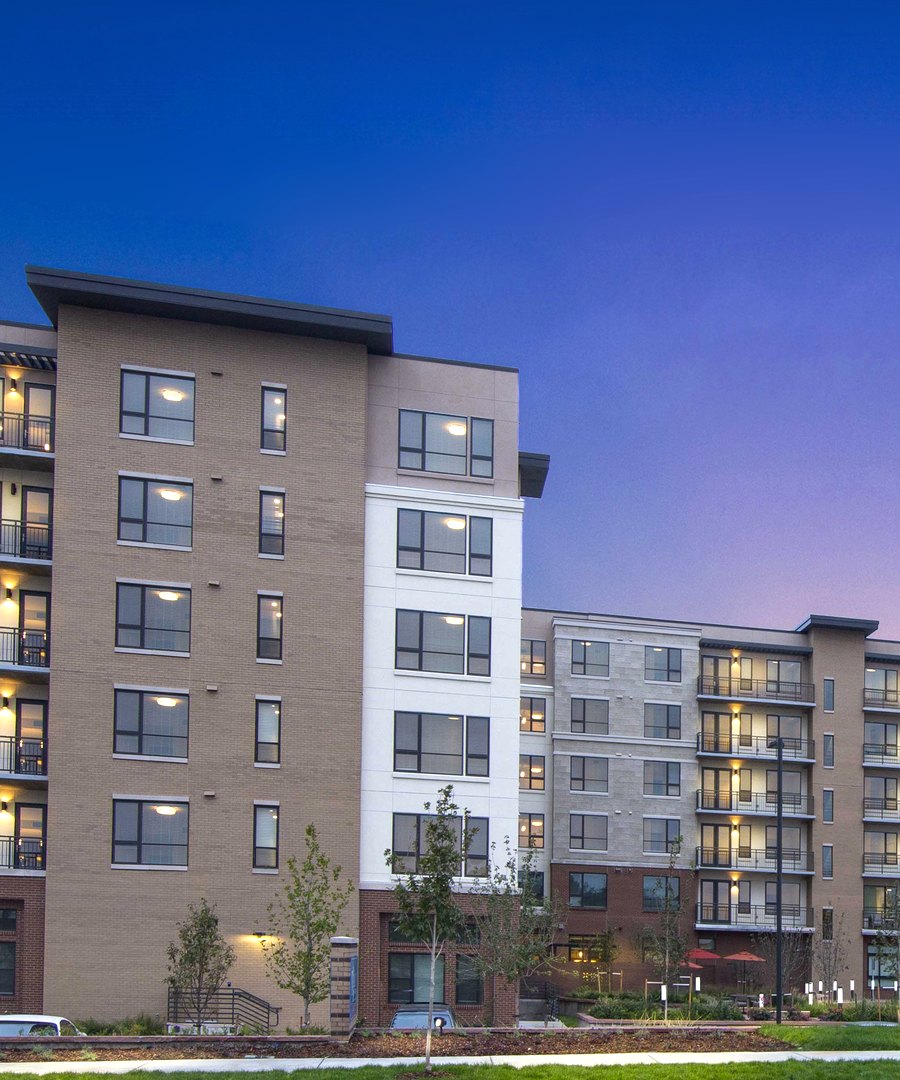
Carillon at Belleview Station
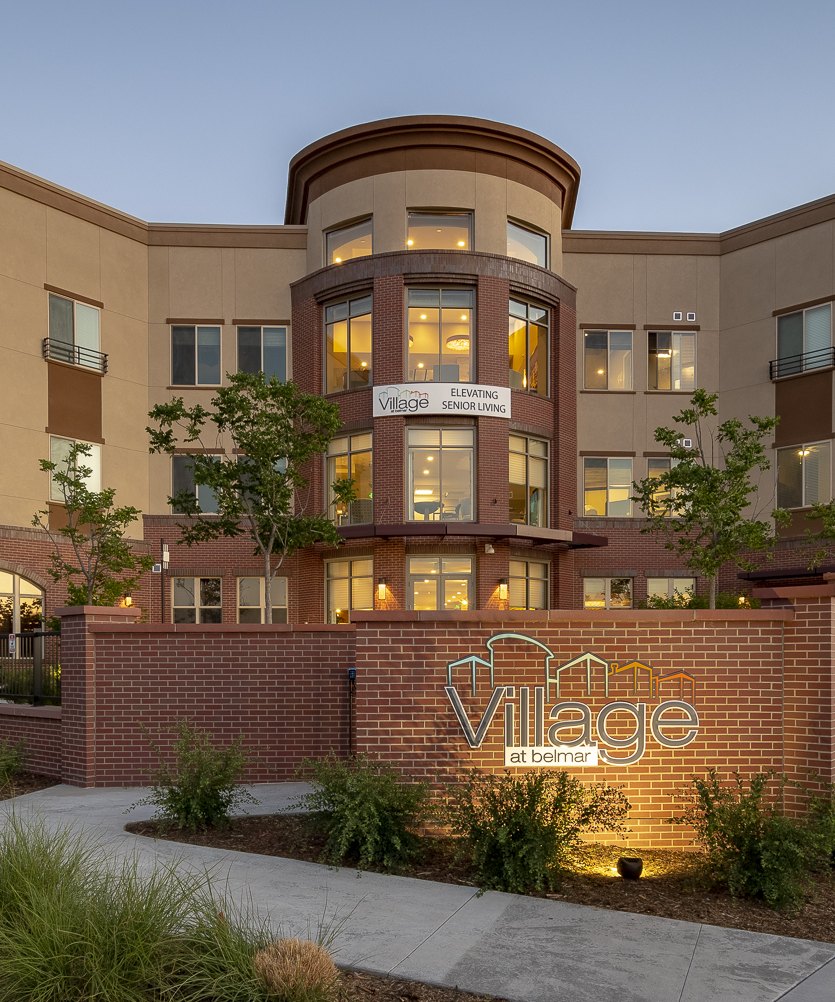
Village at Belmar
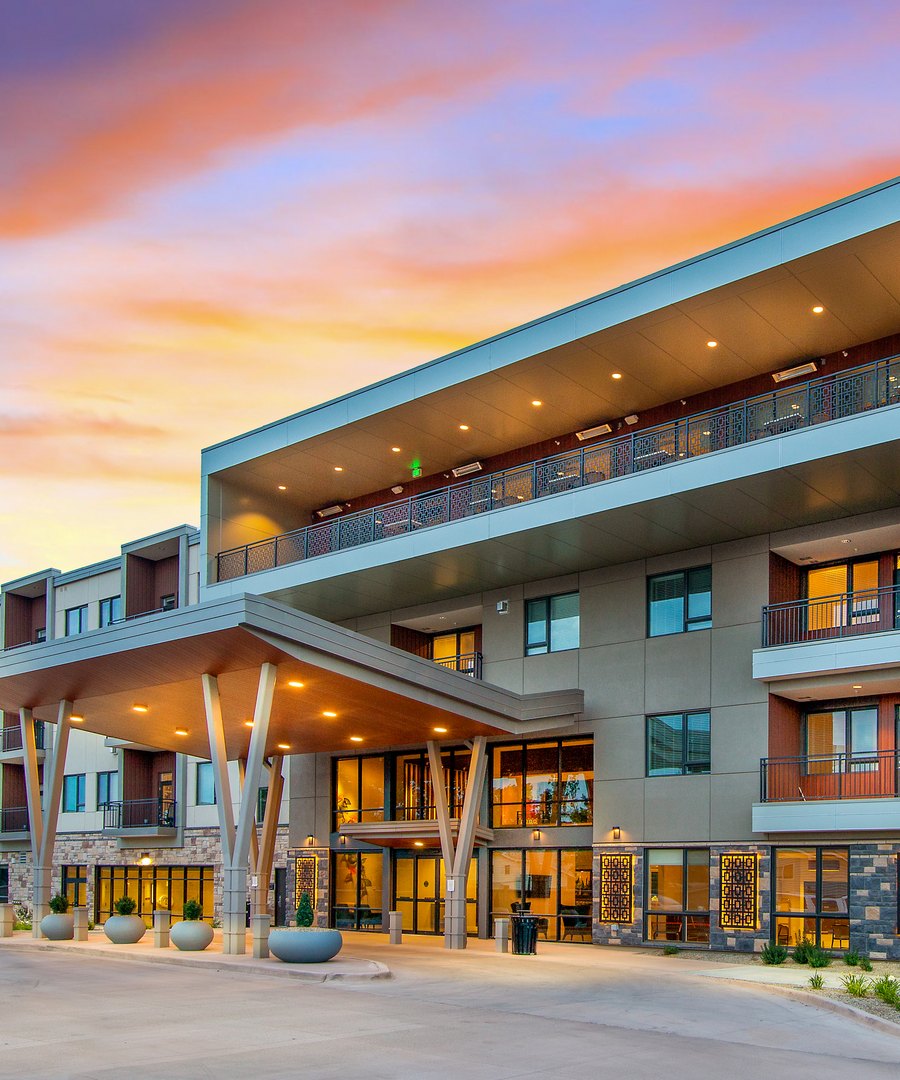
Hilltop Reserve
Rosemark at Mayfair Park
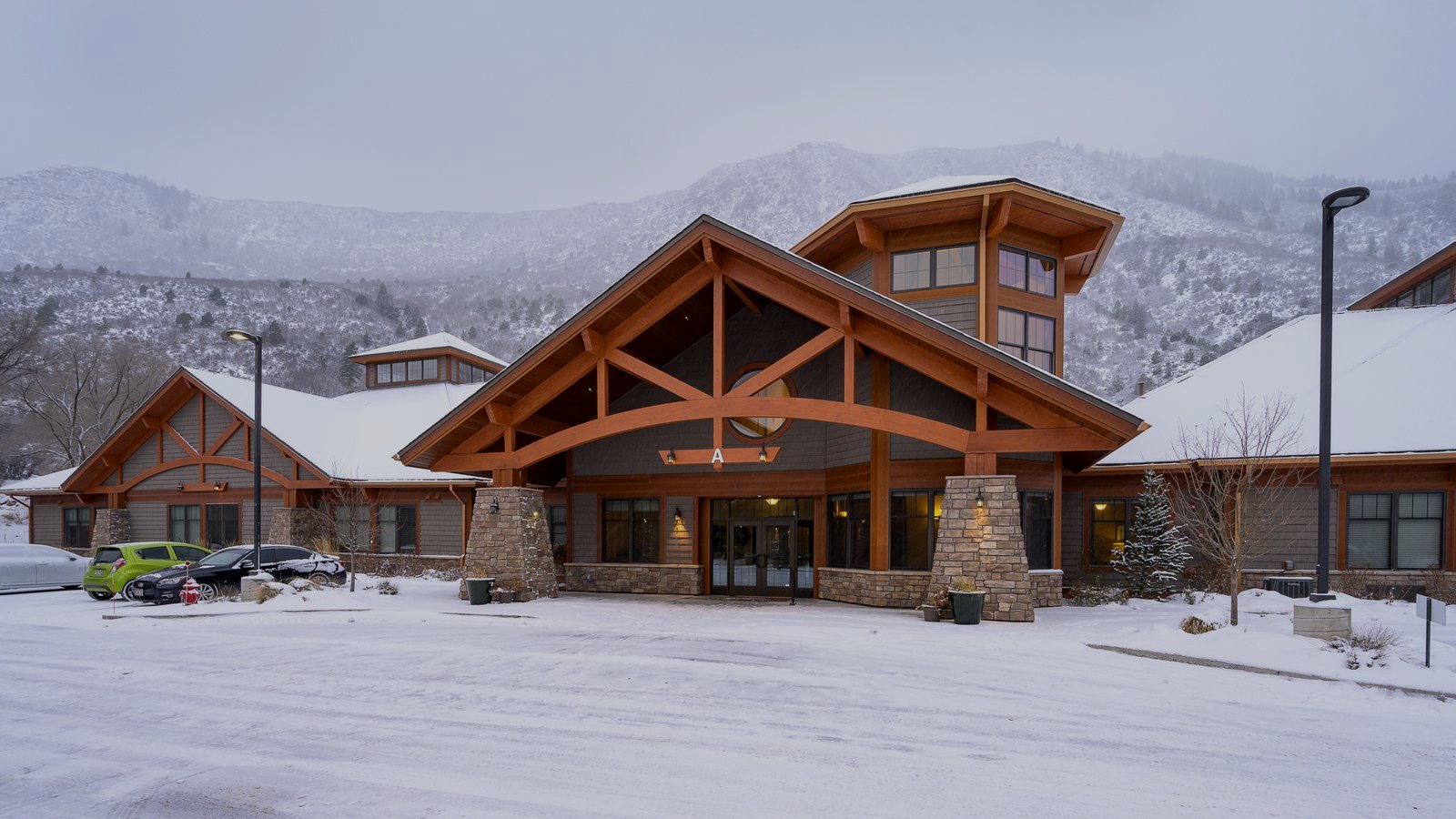
Roaring Fork Senior Living
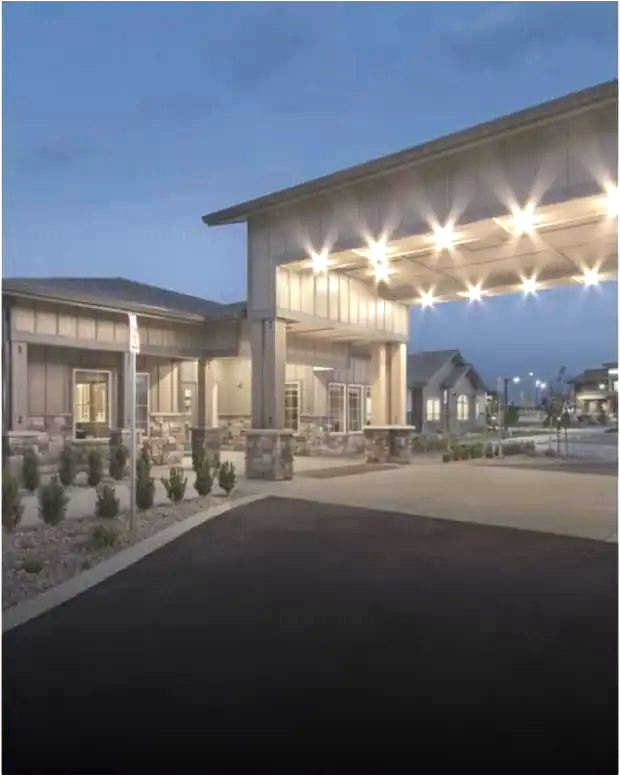
High Plains Crossing
| Community | Market | Living environments | Units |
|---|---|---|---|
| Carillon at Belleview Station | Denver | Independent Living and Assisted Living under a flexible license, and Memory Care | 162 |
| Village at Belmar | Lakewood | Independent Living 60, Assisted Living 71, Memory Care 24 | 155 |
| Hilltop Reserve | Denver | Independent Living 124, Assisted Living 56, Memory Care 25 | 205 |
| Rosemark at Mayfair Park | Denver | Assisted Living and Memory Care | 84 |
| Roaring Fork Senior Living | Glenwood Springs | Assisted Living and Memory Care | 82 |
| High Plains Crossing | Greeley | Memory Care | 52 |
| Six communities | Front Range and Western Slope | Independent Living, Assisted Living, Memory Care | 740 |
Ascent appears in Argentum’s 2026 Largest Providers Report as one of the 150 largest senior living providers in the United States, ranked 126th.
Track record in full
Two complete cycles, start to finish.
- Carillon at Belleview Station
- We took over a large Denver community running at roughly 57 percent occupancy, where the building had been one asset among many for its prior operator. We rebuilt the leadership team, connected the community to our platform, addressed the care and staffing issues that had accumulated, and repointed marketing and referral effort at the submarket that was actually there. Occupancy moved into the high nineties and the asset was recapitalized, returning our capital partner’s investment. We have been working with that partner for more than a decade, and they have since exercised a right of first offer on another asset specifically to keep it under our operation.
- Village at Belmar
- A ground up development in Lakewood where we were the senior living operating expertise inside the partnership from design forward. We contributed program input and unit mix while the building was still on paper, significantly outperformed the occupancy ramp schedule the pro forma had been underwritten to, and operated the community through lease up and stabilization to a completed capital cycle.
Structures
We work in whatever structure fits the situation.
- Third party management
- Fee based operation without ownership. Often the simplest place to start, particularly where an owner wants to keep an asset and change how it is run.
- Joint venture
- We participate in ownership alongside the capital partner.
- Co general partner, development
- We participate on the general partner side, with an additional partner where the equity requirement calls for it. This is the structure that typically appears on a development rather than an acquisition.
- RIDEA
- Available for REIT owned assets.
- Development partnership
- We are the senior living operating expertise inside a partnership for development. We do not run the entire development process. We may be involved in entitlement or in selecting a general contractor, but we do not carry that process on our own, and we are clear about that boundary.
Two things worth saying plainly. The first is that we prefer structures where our economics improve as the owner’s do, and we are flexible about where a relationship starts. Not every conversation has to open with a joint venture, a set of attorneys, and a negotiated return structure before anything can happen.
The second is that we are an operator. We are not a buyer and we are not a developer. On acquisitions the capital comes from partners and we bring the operating capability alongside a co investment position. Operators who blur that line create risk for everyone else in the stack.

One of the 150 largest senior living providers in the country.
Argentum 2026 Largest Providers Report, ranked 126th.
Leadership
Two principals, two halves of the same question.

Tom Finley
Founder and Chief Executive Officer
Tom’s background is real estate finance and capital markets, including a publicly traded REIT and a substantial completed development record. He leads underwriting, capital structure, and transactions. When a capital partner asks a structural question in diligence, the answer comes from him rather than from a delegated team.
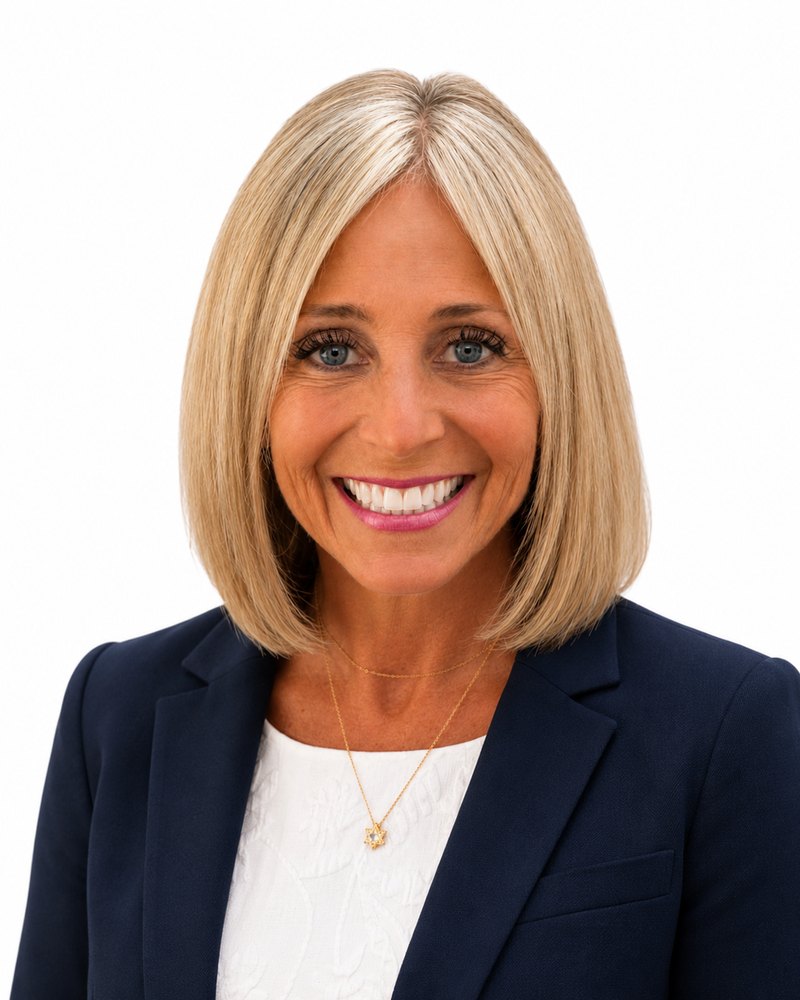
Susie Finley
Founder and President
Susie brings nearly thirty years in senior living. A trained gerontologist and a licensed administrator in both skilled nursing and Assisted Living, she spent fifteen years as an executive director, ten of them inside a national operator, and has led communities and operating teams in the years since. The operating platform this company runs on was built on her vision of what a home office owes a building.
The practical version of this is that a partner evaluating an Ascent deal gets finance native answers about structure and operations native answers about execution risk, and gets both from the person who will be responsible for them.
We are not asking you to believe a thesis.
We have done this from beginning to end, more than once, and the record is auditable. If you are looking at a building that should be performing better than it is, the fastest way to find out whether we are right for it is to show it to us.