

Insights
Longer Stays Are an Operating Outcome
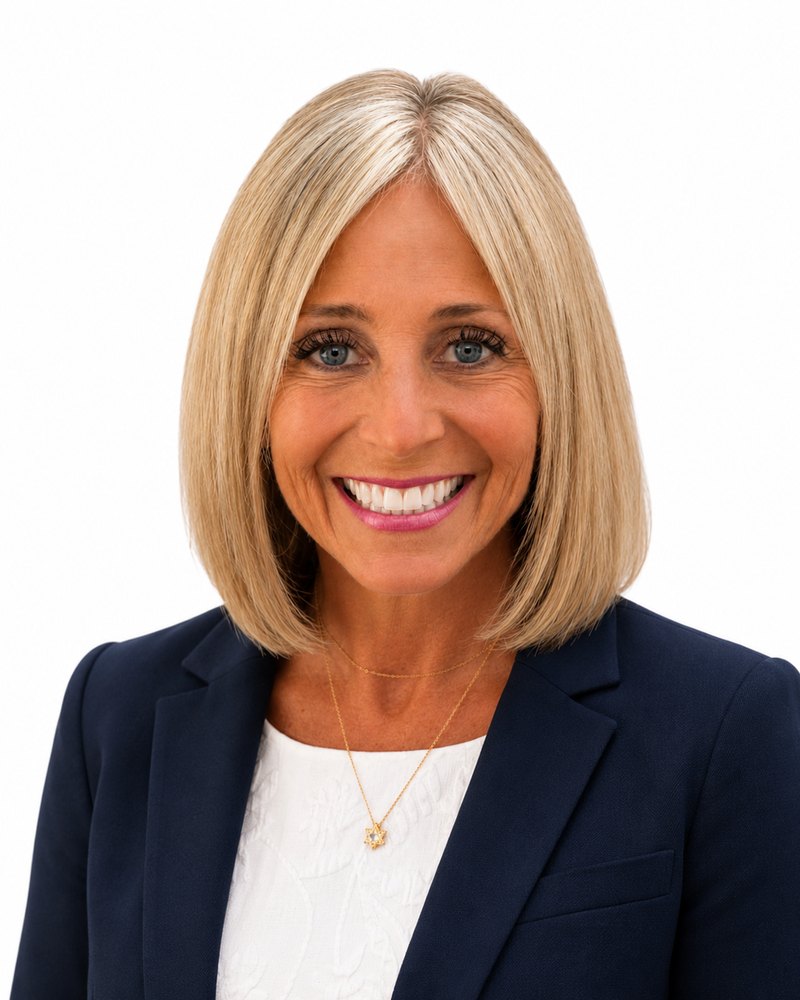
Susie Finley
Founder and President
Length of stay in senior living has been getting shorter for years. Residents move in older now, and at a higher acuity than they used to, and the industry has settled on that as the explanation: shorter stays are what happens when the population walking through the door is already further along. It gets treated the way weather gets treated, a condition an operator absorbs rather than something an operator has a hand in. A shortening length of stay reads as a demographic fact, handed to the building by the residents who show up, not a number anyone inside the building produced. It is easy to nod along with that story, because it fits what everyone already believes about an aging population, and because a demographic explanation asks nothing of the operator reading it.
Here is the part that does not fit the demographic story. Over that same window, while the sector’s length of stay was falling, Ascent’s went the other way. Across 2023 to 2026, length of stay in our assisted living and memory care communities, the care side of the house, rose by 158 days, a 21 percent increase. The number itself matters less than the direction: demographics move an entire industry at once, and they do not explain one operator moving against it. If age and acuity at move-in were the whole story, no single operator could bend the curve back the other way, and that is exactly what happened here. The residents walking through our doors are subject to the same demographic pressure as everyone else’s, arriving at the same ages and the same acuity levels as residents anywhere else in the sector. Something other than demographics is doing the work.
Why a Resident Stays
What sits underneath that number is ordinary. It’s just what good care looks like, repeated consistently enough that a resident feels it, and consistent enough that a family starts to trust it.
The community adjusts to the resident, not the other way around.
Start with care that meets a resident where they are. Needs change, sometimes slowly and sometimes all at once, and when staffing follows acuity instead of a fixed plan, a resident whose needs rise gets more care instead of a conversation about moving on. That is the continuum promise kept in the smallest, most literal sense: the community adjusts to the resident, not the other way around. A resident who needed light support at move-in and needs more now does not have to start over somewhere else just because their needs changed on schedule with nobody else’s calendar.
Then there’s the alternative every family is trying to avoid. Past assisted living, the next environment is skilled nursing, and nobody wants to go there. Families will spend almost anything to keep a parent out of one. When a resident stays because they are cared for well enough to stay, no report captures what that actually is: a family’s hardest fear, held off another day. That is not an abstraction to the family living it, and it should not be an abstraction to the operator either.
A stable, engaged team plays its part too. Residents are cared for by people, not a system, and people who stay bring a kind of familiarity that shows up in the smallest moments: a caregiver who notices a change before a resident mentions it, because they have known that resident for two years, not two weeks. That familiarity cannot be trained into a new hire on day one, no matter how good the training is. It has to be built the same way trust is built anywhere, slowly, and by staying around long enough to earn it.
And underneath all of it is catching a change before it becomes a discharge conversation. A need noticed early can usually be met in place. A need noticed late forces a move, because by then the gap between what a resident requires and what the building was staffed to provide has already opened. The difference between the two is attentiveness, practiced consistently enough that it looks unremarkable, the same way a good save in the water looks unremarkable because nobody had to shout for help.
What ties these four together is how unremarkable each one looks on its own. Stack them up, done consistently, and the difference is a place a resident endures versus a place a resident stays.
What to Ask Your Operator
One resident staying longer could be luck. A whole population staying longer, measured across a portfolio and moving against the sector’s direction, is something else: a result, and results repeat the way luck does not. The industry’s shortening length of stay is real, and it traces to residents arriving older and at higher acuity than they used to, the same instrument every operator reads from, no judgment on anyone attached. Moving against that trend, the way our number did, is the part worth explaining, because a portfolio-wide number cannot be explained by any one resident’s story.
Anyone can quote a market average. Almost nobody can explain why their own number moved.
Swap the question. Instead of asking what the length of stay is in a given market, ask whether a specific operator’s number is one they inherited or one they earned, and what inside the operation actually produced it. Anyone can quote a market average. Almost nobody can explain why their own number moved, and that gap is exactly where the real answer is sitting. A number an operator can explain, line by line, in terms of staffing and care and how residents are treated as their needs change, is a very different thing to underwrite than a number an operator can only shrug at.
That question matters because a rising length of stay is one of the few operating metrics that cannot be faked and cannot be bought. A marketing budget will not produce it, and neither will a better listing or a nicer lobby. It has to be earned, one resident at a time, by an operation that shows up the same way on a hard day as it does on an easy one, for residents nobody outside the building is ever going to see.
The industry’s length of stay is shortening. That is real, and it is not a verdict on any single building, mine included. What I know is this: when we set out to be a resident’s last address, and mean it enough to staff for it, a resident who is well cared for stays. A resident who is not, does not, and no amount of programming or amenities changes that arithmetic. A resident’s length of stay reads like a fact about the resident. It works more like a report card on the operator.
By Susie Finley, Founder and President, Ascent Living Communities
If you own a building that should be doing better, tell us what you are working on.
Start a conversation